
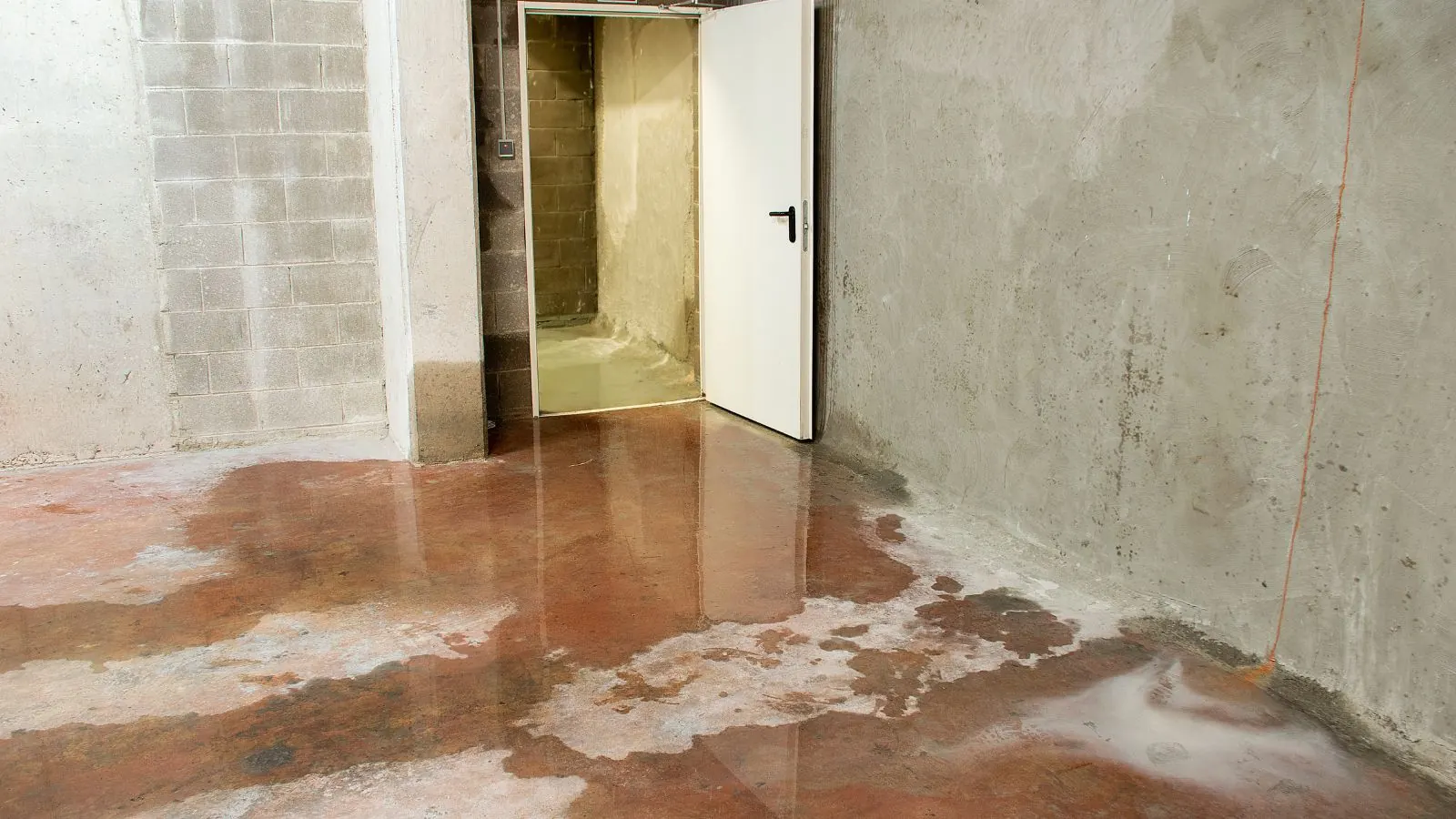
Basement mold removal cost depends on how much area is affected, what the mold is growing on, whether the source of moisture is fixed and how the work has to be contained. Two basements that look similar from the stairs can need very different work. We do not publish a flat price because it would not be honest, but we can explain how the number is built.
Start with the moisture, not the mold
Mold needs moisture. If a basement wall seeps, a pipe drips or the humidity stays high, removing mold without fixing that cause only buys time. Often the first line item in a mold job is not mold work at all. It is finding and fixing the water source and drying the space.
That is why mold work and basement water damage cleanup are often connected. Drying comes first. Then the affected area is addressed.
Factors that raise or lower the price
- Area affected. A small patch is a different job from a wall or a whole room.
- Material. Mold on concrete can often be cleaned. Mold in drywall, insulation or carpet usually means removal and replacement.
- Containment. Larger jobs use plastic barriers and negative air to keep spores from spreading through the house.
- Access. Tight crawl areas, finished ceilings and stored belongings add labor.
- Testing. Assessment and clearance testing are separate costs and, in New York, separate companies.
- Rebuild. Replacing drywall, trim and flooring is its own scope.
How New York's mold law shapes the process
New York Labor Law Article 32 regulates mold work. The state Department of Labor says a mold project involves an area greater than ten square feet and that licenses are required for assessors and remediators. It also says no licensee may perform both mold assessment and mold remediation on the same project.
For you as a buyer, that means a larger project usually has two parts. A licensed assessor writes the plan and later checks that the work is done. A licensed remediator does the work. Two companies, two invoices. A residential owner working on their own property is exempt from licensing, as the Department of Labor explains, but that does not make DIY the right choice for a large or wet area.
Two examples of how scope changes the job
Picture a basement where a water heater leaked for a week. The base of one drywall wall is damp and dark, the carpet pad is wet and the air smells musty. The work includes stopping the leak, removing the wet pad and the bottom of the wall, drying the framing and rebuilding. The mold part is small compared with the water part.
Now picture a basement with a seeping wall and high humidity for years. Growth shows across a ceiling and two walls, stored cardboard is ruined and insulation is stained. That job needs an assessment, containment, removal of porous materials and a plan to control the moisture. The scope, and the number, are larger because several systems are involved.
These are not quotes. They show why a site visit is the only way to get a real figure.
What to do before a quote: lower the humidity, move belongings off the floor and do not scrub or bleach large areas.
Want a real scope instead of a guess? Call and a dispatcher will help you plan the first step.
Call (516) 845-9582How to compare mold quotes
- Ask each company what area and materials the quote covers.
- Ask whether it includes fixing or drying the moisture source.
- Ask who handles assessment and who handles clearance.
- Ask what is excluded, such as rebuild or contents.
- Ask how the work will be contained.
A quote that is far lower than the others often leaves something out. A quote with no description of the work cannot be compared at all. Ask for the scope in writing.
What you can do before the quote
Lower the humidity with a dehumidifier if the air is damp. Move stored items off the floor and away from affected walls. Take photos of what you see. Do not scrub or bleach large areas, because disturbing mold can spread it. The EPA says small areas under about ten square feet can usually be handled by the homeowner, while larger areas call for more care.
If the basement flooded, do not wait to see if mold appears. Drying within the first days is the best way to avoid a mold bill. Homes in Williston Park and Albertson with finished lower levels are a common example.
Insurance and mold cost
Some policies cover mold only when it follows a covered water loss, and many cap the amount. Ask your insurer before work starts, and keep photos and invoices.
A local note for Mineola basements
Mineola's homes range from early twentieth century houses to postwar builds, and many have finished or semi-finished basements. The Village of Mineola Building Department requires permits for plumbing, electrical and construction work, which can apply when a basement is rebuilt after remediation.
The village was incorporated in 1906 and sits in Nassau County. Older foundations can seep along cracks, so check where the moisture enters, not only where the mold shows.
Questions about this topic in Mineola
Do I need a licensed company for basement mold?
New York requires licenses for assessors and remediators on mold projects over ten square feet, with exemptions for some owners. Ask any company for its license.
Can the same company test and remove the mold?
Not on the same project. Labor Law Article 32 prohibits a licensee from doing both assessment and remediation on one project.
Is bleach a good fix?
Bleach does not address the moisture and does not remove mold from porous materials. Fix the water source first.
Will mold come back after removal?
No company can promise it will not. It returns if moisture returns, so fixing the source and keeping humidity low matter most.
Does Mineola require a permit for basement repairs?
Plumbing, electrical and construction work require permits from the Village Building Department, so ask before the rebuild.