
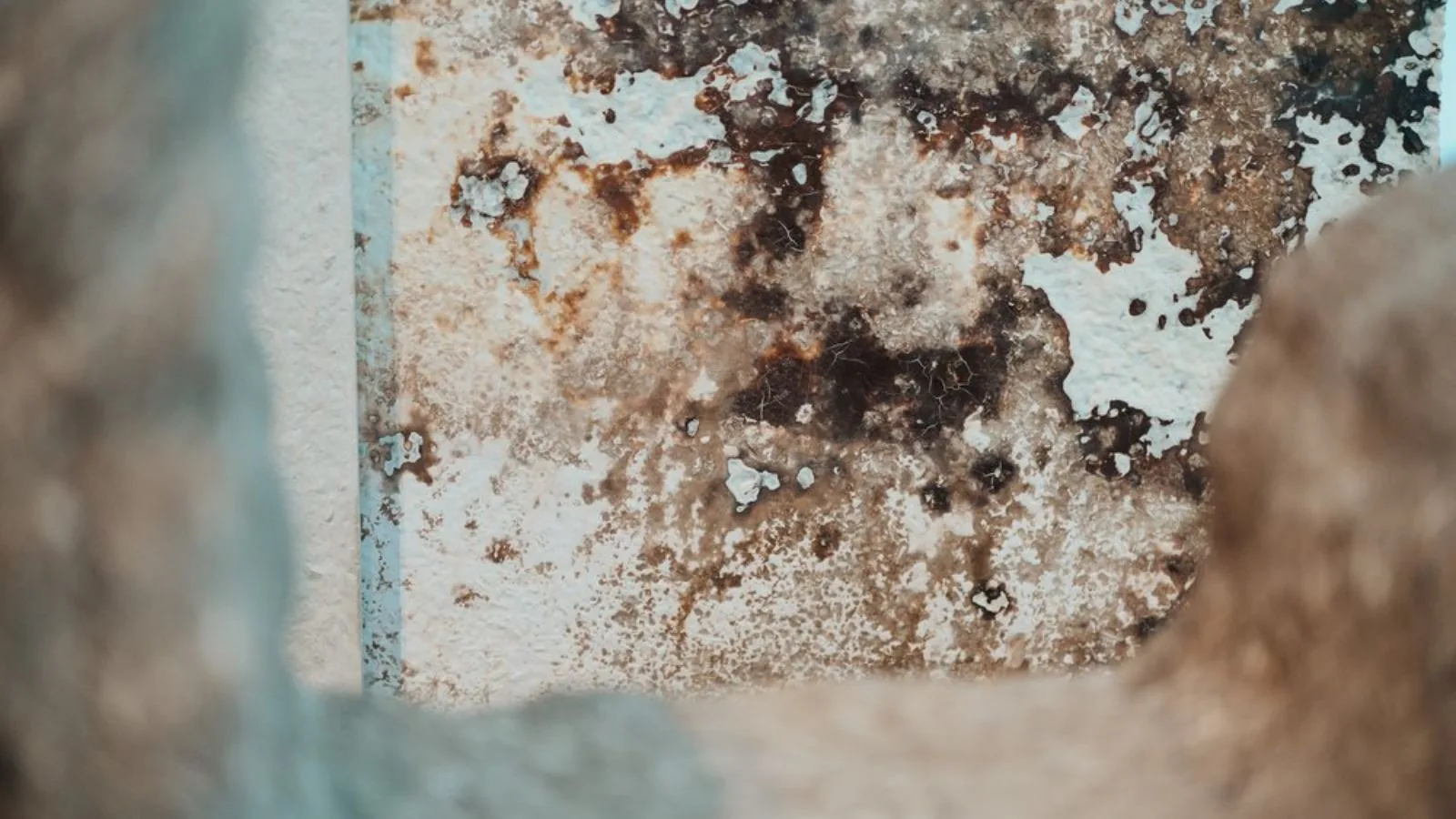
Wall and drywall water damage repair in Mineola, NY covers drywall, baseboards, trim and insulation that have been wet by a leak, a flood or humidity. Drywall wicks water upward, so a small leak can wet a wall far above the floor. If a wall is damp, stained or soft, call, stop the source and photograph the damage.
Drywall is paper and gypsum. When it stays wet, the paper face feeds mold and the gypsum softens. That is why walls are checked with a meter, not just by eye.
How to tell if a wall is wet inside
- A stain with a tide line or brown edge on the wall.
- Paint that bubbles, peels or cracks.
- Baseboards that lift or swell.
- A soft spot when you press the wall.
- A musty smell with no visible source.
A moisture meter reads the wall, and a thermal imaging camera shows cool areas behind the surface. Both help the crew decide where to cut and where to dry.
Dry in place or cut it out
| Condition. | Usual decision. | Reason. |
|---|---|---|
| Clean water, wet less than 48 hours. | Often dried in place. | Paper face and gypsum may recover. |
| Water that sat for days. | Cut out and replaced. | Gypsum softens, mold risk rises. |
| Contaminated water. | Cut out and replaced. | Porous material cannot be cleaned. |
| Wet insulation behind the wall. | Removed. | Insulation holds water against the drywall. |
If walls are opened, the cut is made above the wet line, usually a foot or so past the visible stain, so that dry material remains at the edge of the repair.
Insulation, outlets and wiring
Wet insulation sags and holds water against the drywall, so it comes out when the wall is opened. Outlets and switches in a wet wall can be hazards. Turn off the breaker for that circuit if you can reach the panel safely, and ask an electrician to check boxes that were wet before the circuit is turned on again.
Do not drill into a wall you think is wet unless you know where pipes and wires run.
Rebuilding the wall
After the wall cavity reads dry, new insulation is installed and new drywall is hung, taped and finished. Primer and paint complete the job. Permits may apply to some work, so ask the Village of Mineola Building Department what is required. Matching an old texture or a plaster finish can be the hardest part, so ask about it before work starts.
Keep a few extra photographs of the wall before it was damaged if you have them. They help a painter match the color and finish.
The IICRC S500 standard guides whether wet drywall is dried in place or cut out, based on how long it was wet and what kind of water it was.
Before we arrive, shut off the water, keep outlets on wet walls off and do not drill or puncture a bulging wall. What to do about paint can wait.
Wall damp, stained or soft? Call the 24/7 line and describe what you see.
Call (516) 845-9582Baseboards and trim
Baseboards swell and the paint cracks when water wicks through them. Solid wood trim can often be removed, dried and reinstalled. MDF trim usually swells and has to be replaced. Water behind baseboards is easy to miss, so crews often pull a section to check.
Where wall leaks begin
Pipes inside walls, windows and siding, roofs above and appliances nearby are common sources. Pipe leaks are covered under burst pipe water damage, and ceilings that leak into walls are covered under ceiling water damage repair. The structural drying page describes the equipment used on wall cavities.
Old walls near Main Street and the LIRR station may hold plaster and lath instead of drywall, and plaster behaves differently when wet. Tell the dispatcher what the wall is made of if you know.
What shapes wall repair costs
Repairs often cost more than drying.
- How much drywall must be removed.
- Insulation and framing.
- Baseboards, trim and doors.
- Drying days.
- Texture, primer and paint.
Sudden leaks are often covered by homeowners policies, while long-term leaks and neglect often are not. Ask your insurer. Want your real number? Call (516) 845-9582 and a dispatcher will explain the scope and the price before work starts.
Questions about wall and drywall water damage in Mineola
Can wet drywall be dried instead of replaced?
Sometimes, if the water was clean and the response was quick. Drywall that stayed wet for days is usually replaced.
How do I know if there is mold behind the wall?
A musty smell, dark spots or paint that bubbles are warning signs. A meter and inspection confirm it.
Can I paint over a stain?
Not until the wall is dry. Painting over a wet wall traps moisture.
How much of the wall gets cut out?
Usually a section past the wet line. The crew explains the cut before it is made.
Is plaster handled the same way?
No. Plaster and lath behave differently, and dry times are longer.