
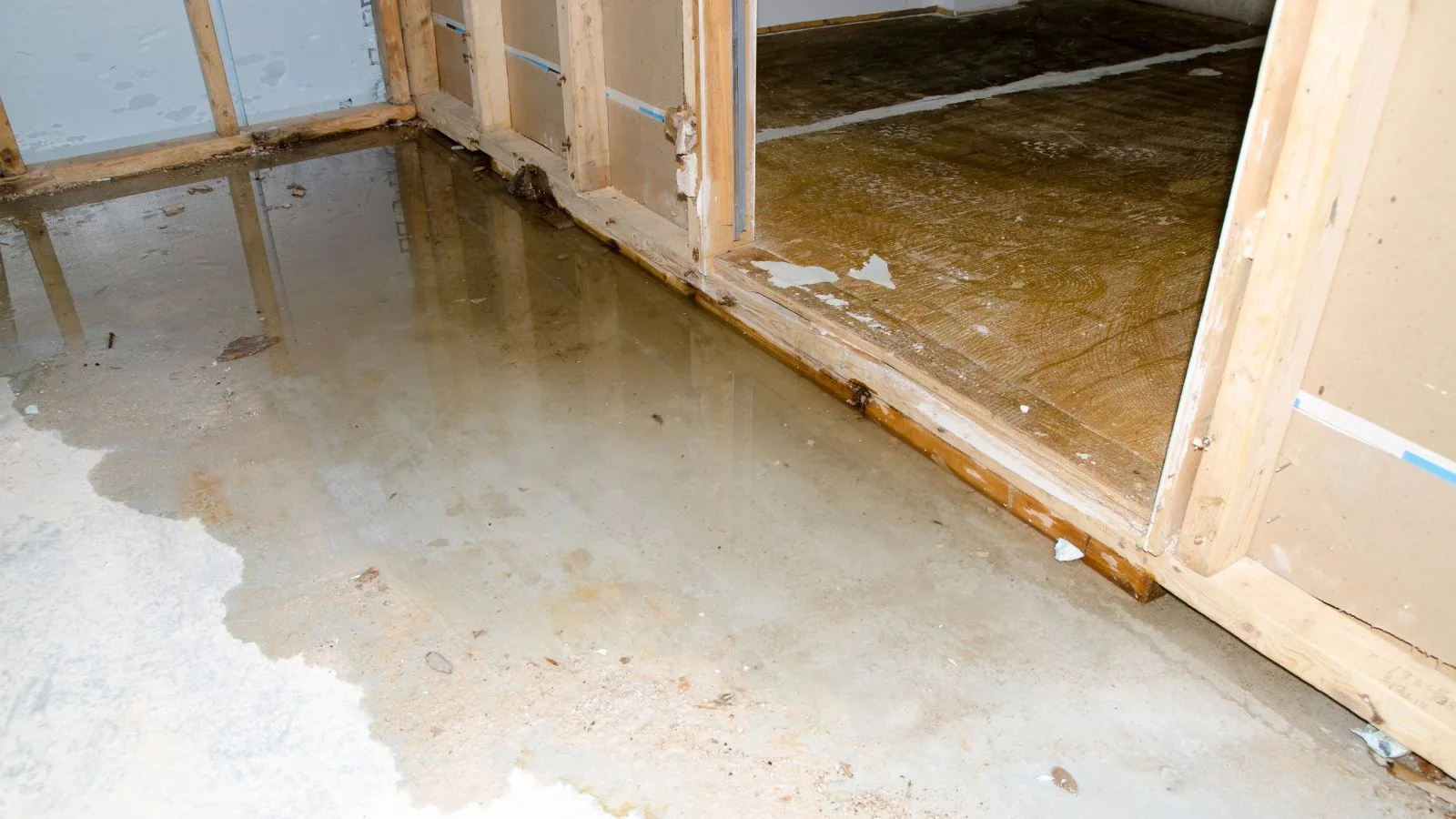
Flood damage restoration in Mineola, NY means pumping out floodwater, removing what cannot be saved, drying the structure and rebuilding after surface water, groundwater or a storm drain overflow gets inside a building. Floodwater is an emergency from the first inch. The 24/7 line is open now, and while you wait you can lift valuables off the floor, keep children and pets out of the water and stay away from wet outlets.
Floodwater is rarely clean. It carries soil, road runoff and sometimes sewage, which puts most flood losses in Category 2 or Category 3 under the ANSI/IICRC S500 standard. That label decides what can stay in the house and what has to go.
When floodwater is an emergency
Treat it as an emergency when water is still entering, when it is deeper than the baseboards or when it touches anything electrical. Water that sits for a day starts soaking into drywall, insulation and subfloors, and the cleanup grows with every hour.
Electrical safety comes before the call
If water is near the panel, outlets or a furnace, do not wade in to shut things off. Stay out, and call PSEG Long Island or 911 about any electrical or gas risk before you call the restoration line.
- Cut power at the panel only if you can reach it while standing on dry ground.
- Never use a household vacuum or a plugged-in pump in standing water.
- Keep everyone out of water that may be energized or contaminated.
How heavy rain reaches Mineola homes
Mineola sits about 108 feet above sea level on the old Hempstead Plains, so deep river flooding is not the usual story here. The usual story is a short, intense downpour. On the night of August 18, 2024, the National Weather Service in Upton issued a flash flood warning for northeastern Nassau County that named Mineola, Garden City, Westbury and Hicksville, and it projected rain of one to two inches an hour.
The practical takeaway is that storm drains, window wells and basement floor drains can be overwhelmed fast, even on dry ground. Check the FEMA flood map for your address before you assume your exposure, and ask the village building department about any drainage rules that apply to repairs.
How a flood cleanup runs
Stabilize.
The crew confirms the water has stopped, checks for electrical and structural hazards and photographs the loss.
Extract.
Truck-mounted or portable extraction units and submersible pumps remove standing water.
Remove.
Wet insulation, soaked carpet pad and drywall that wicked water upward are cut out and bagged.
Dry and sanitize.
Air movers, LGR dehumidifiers and moisture meters dry the structure, and surfaces are treated and checked.
| Category. | Typical source. | What usually happens. |
|---|---|---|
| Category 1. | Clean supply line or rainwater from a roof. | Extract and dry. Many materials can stay.. |
| Category 2. | Washing machine discharge, groundwater seeping in. | Extract, remove porous materials such as carpet pad, then dry and treat.. |
| Category 3. | Floodwater from outside, sewage, long-standing water. | Remove porous materials, clean and disinfect, then dry. See sewage backup cleanup.. |
Standing water and a wet floor? A dispatcher can explain the scope and the price before any work starts.
Call (516) 845-9582Flood versus plumbing leak: why it matters for coverage
The New York State Department of Financial Services states that a typical homeowners or renter policy does not cover flood damage. Flood coverage usually comes from a separate National Flood Insurance Program policy, and water that backs up through a drain may need its own endorsement. Read your policy, call your insurer and ask what applies to your loss.
Whatever the cause, document before you clean. The department advises photos or video of the damage, saved receipts for emergency repairs and keeping damaged items until a settlement is reached. We write down water categories, affected areas and drying readings so the paperwork exists if you need it.
What shapes the price of a flood cleanup
Every flood job is priced from the conditions found on site. These are the factors that move the number most.
- The water category, since Category 3 water means more removal and disinfecting.
- How many rooms and how many square feet are wet.
- Which materials are involved, such as drywall, carpet pad, hardwood or concrete.
- How many days of drying equipment the structure needs.
- How much has to be rebuilt after demolition.
Insurance may or may not respond to a flood loss, so check your policy. Want your real number? Call (516) 845-9582 and a dispatcher will explain the scope and the price before work starts.
After the water is out
Once the structure reads dry, rebuilding begins. Plumbing or electrical repairs and renovation work may need permits and code inspections, so contact the Village of Mineola Building Department before you hire for the rebuild.
Flooded lower levels are covered in more detail on the basement water damage cleanup page, and the drying process itself is explained under structural drying. If the water came with a storm, see storm water damage cleanup, and for homes just north of the village line, the Williston Park service page covers that area.
Questions about flood damage cleanup in Mineola
Do you handle flood damage emergencies at night or on weekends in Mineola?
Yes. The line is staffed 24 hours a day, every day, including holidays. A dispatcher takes the details, tells you what to do while you wait and sends a crew as soon as one is available. We do not promise a specific arrival time.
Is floodwater inside my house safe to touch?
Assume it is not. Floodwater can carry soil, chemicals and sewage. Wear boots and gloves if you must enter, keep children and pets out and wash well afterward.
How fast does mold start after a flood?
Mold needs moisture and food, and wet drywall and wood provide both. Fast extraction and drying are the best defense. If a flood has sat for more than a day or two, ask for moisture readings on the walls.
What should I photograph before cleanup?
Photograph the waterline on walls, damaged belongings, appliances and any visible source of the water. Take wide shots and close-ups before anything is moved.
Will my homeowners policy pay for flood damage?
Often not. A typical homeowners policy excludes flood, and flood coverage is usually a separate policy. Ask your insurer exactly what your policy covers before you decide.