
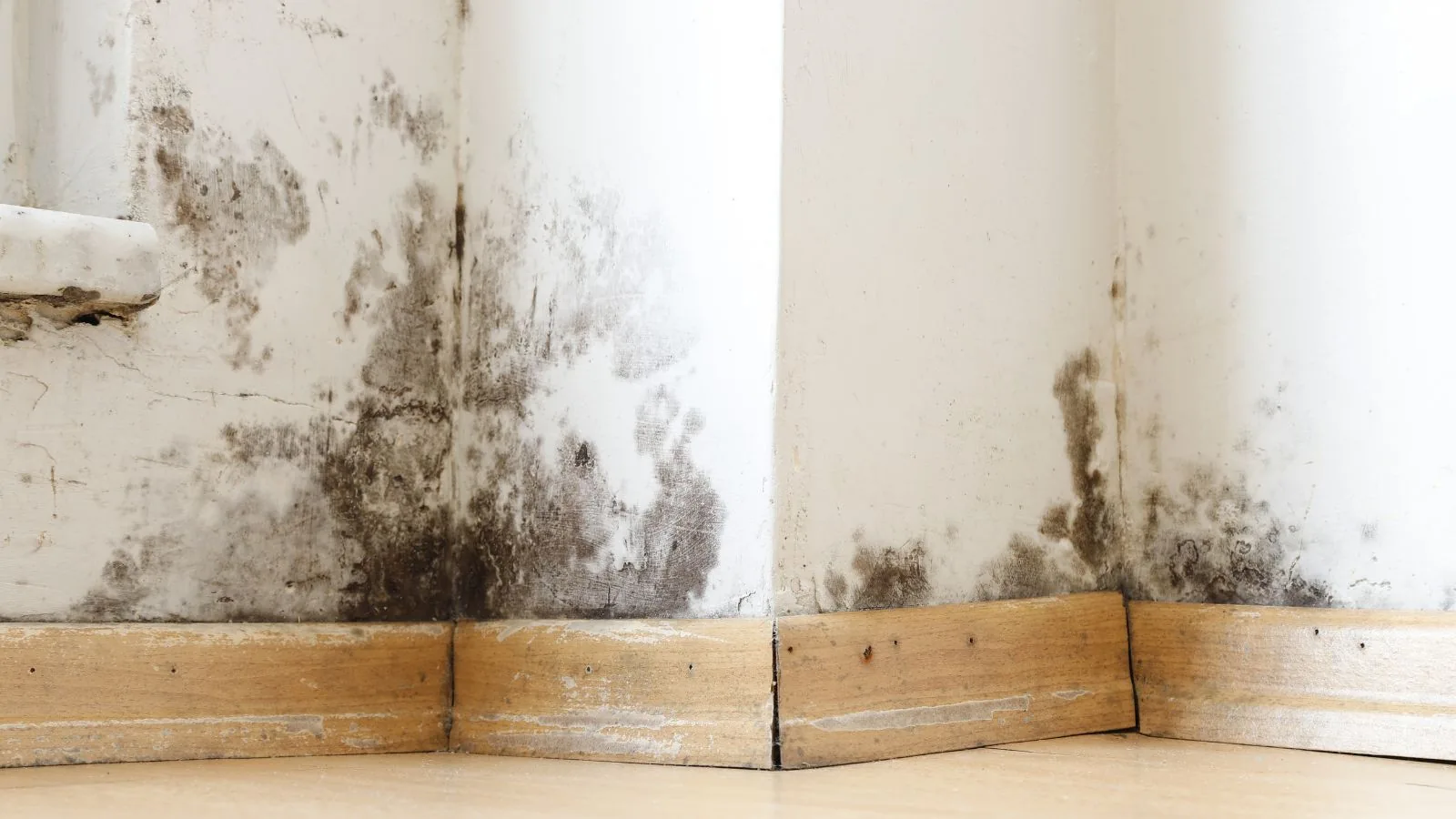
Many policies treat mold differently from other water damage. Some exclude it. Some cover it only when it follows a covered event. Some cap the amount. We are not an insurer and cannot tell you what your policy says, but we can explain the patterns and the questions to ask.
The cause usually decides
A common pattern is that mold is covered when it results from a covered water loss, such as a sudden pipe failure, and not covered when it results from long-term moisture, poor ventilation or neglect. If a burst pipe soaked the walls and mold followed, the insurer may treat the mold as part of the covered loss, often with a limit. If a slow leak went unnoticed for months, the insurer may call that excluded.
This is why the first days matter. Fast drying after a covered loss can prevent mold from becoming a separate issue.
Common limits and wording
- A sublimit that caps mold payments at a specific dollar amount.
- An exclusion for fungi, wet or dry rot and bacteria unless caused by a covered peril.
- A requirement that you act quickly to dry and protect the property.
- Separate wording for mold in the building versus mold on contents.
Read the section on fungi, mold or microbial growth. Ask your agent to explain it in plain language, and ask for the answer in writing.
Questions to ask your insurer
- Does my policy cover mold that follows a covered water loss?
- What is the limit?
- Is testing or assessment covered?
- Does the policy cover relocating if the house cannot be used during remediation?
- What documents do you need from the remediation company and the assessor?
Keeping the mold from becoming a claim problem
Insurers often ask whether you acted promptly. That means drying within days of a water loss, not weeks. Keep records that show what you did and when, such as the date you called a restoration company and the readings it took.
If mold is found later, say a month after a leak, explain the timeline plainly. Describe what drying was done, what the readings showed and when the mold appeared. Honest detail helps the adjuster decide, and it protects you if there is a later question.
Also check whether your policy has a requirement to notify the insurer within a certain time. Notifying late can complicate a claim even if the loss is covered.
Have mold after a water event? Call and ask how to document it.
Call (516) 845-9582How New York's rules affect the paperwork
New York Labor Law Article 32 requires licensed assessors and remediators for mold projects greater than ten square feet, according to the state Department of Labor. It also says the same licensee cannot perform both assessment and remediation on one project. For a claim, that means you may have two reports and two invoices, both of which your insurer may want.
Ask your insurer which documents it needs before the work starts. A written assessment with photographs and a remediation plan makes the claim easier to review.
What to do right away
Stop the moisture source. Dry the area. Photograph everything before work begins. Keep damaged materials until the adjuster has seen them, unless they are unsafe. Keep a log of dates, calls and names. Do not sign anything you do not understand.
We make no health claims about mold. If you have health concerns, talk to your doctor.
If the claim is denied
Ask for the denial in writing with the policy language cited. You can ask for a review, talk to your agent and contact the New York State Department of Financial Services about the process for disputes. A public adjuster or attorney can advise on larger disputes.
Even without coverage, remediation may still be needed. See the mold remediation page for what it involves and basement water damage cleanup for the common starting point.
Homeowners in Albertson and Williston Park ask us this after finished-basement leaks. The best step is to dry fast and document well.
A local note on records and permits
The Village of Mineola Building Department says residents need permits for plumbing, electrical and any construction or renovation inside or outside the home. Permit records for past repairs can help show how and when a problem was fixed.
Mineola, the Nassau County seat, has many homes built before modern moisture-control practices, so insurers may ask about the age of the roof, plumbing and basement waterproofing.
Questions about this topic in Mineola
Is mold always excluded?
No. Many policies cover it when it follows a covered water loss, often with a limit. Read your wording or ask your agent.
Will insurance pay for mold testing?
Some policies do and some do not. Ask before hiring an assessor.
Does flood coverage include mold?
Flood policies have their own rules. Ask the flood insurer how mold from a flood is treated.
Can I start remediation before the adjuster visits?
Dry and protect the property now, and photograph everything. Ask the adjuster before removing large amounts of material.
What records help a Mineola claim?
Photos, moisture readings, the assessment, invoices and any permit records from the Village Building Department.