
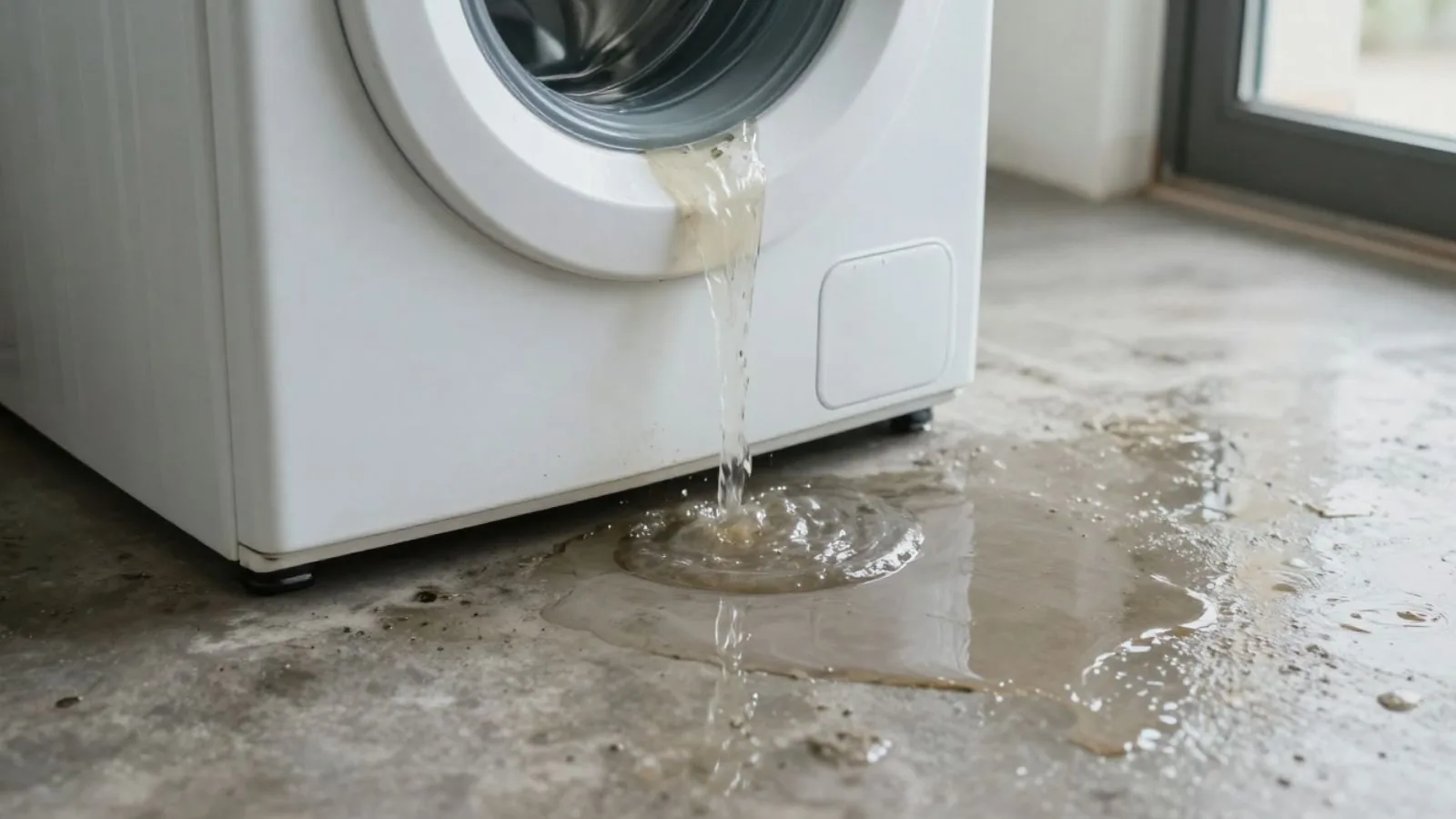
Small leaks are the hardest calls. The damage may look minor, the deductible may be high and nobody wants a claim on their record for a few hundred dollars of drywall. At the same time, a leak that looks small from the surface can hide a lot of water. This guide gives you a way to decide, without telling you what your insurer will do.
Step one: find out how big it really is
Do not decide on what you can see. Moisture meters and thermal cameras show whether water traveled into a wall, under a floor or along a ceiling. A damp patch on a baseboard can sit in front of a wet wall cavity. A quick scope from a restoration company can tell you whether you are looking at a spill or a loss.
If the water ran for a short time and the surface is dry within a day, you may be dealing with a spill. If it ran for hours, came from a pressurized line or touched insulation or subfloor, treat it as a loss.
Step two: compare the scope with the deductible
Your deductible is the amount you pay before the policy pays. If the estimated repair is close to or below the deductible, a claim would probably pay little or nothing. If the estimate is well above it, a claim deserves a serious look. Get the scope in writing before you decide.
- Ask your agent what your water damage deductible is. It may differ from other deductibles.
- Ask whether an inquiry counts as a claim. Practices vary by insurer, so ask before you describe the loss.
- Ask how a paid claim affects renewal. Your agent can answer in general terms.
Step three: think about what comes next
A small leak can become a large one if it is not dried. Mold, warped floors and stained ceilings are the usual follow-ups. If you skip a claim, you still have to dry the home properly. If you file one, the insurer may expect you to have taken reasonable steps to prevent further damage. In either case, speed helps.
A simple way to estimate before you call anyone
Write down three numbers. The first is your water damage deductible. The second is the cost of the repair as you understand it, including drying, drywall, paint and flooring. The third is the cost of the next likely problem if you do nothing, such as mold or a warped floor.
If the repair is well above the deductible, a claim may make sense. If it is below, the deductible decides it for you. If the third number is large, speed matters more than the claim decision. You can dry first and decide about the claim later, as long as you photograph everything and keep receipts.
This is a thinking tool, not advice about your policy. Your agent or insurer is the right source for what your policy says.
Moisture readings taken under the IICRC S500 drying standard can help show an insurer how far a small leak actually spread.
Not sure how big the leak is? Call and ask for help scoping it.
Call (516) 845-9582Reasons people choose to file
- The repair estimate is well above the deductible.
- The water traveled into walls, floors or a neighbor's unit.
- The source was a pressurized line that could fail again.
- The home is being sold and a documented repair record matters.
- The leak is part of a larger event, such as a storm.
Reasons people choose not to file
- The estimate is below or near the deductible.
- The loss was a spill, not a failure.
- The cause is likely excluded, such as a long-term seep.
- The owner prefers to pay and keep the record clean.
Neither list is advice. Both are things people in your position commonly weigh.
Keep a record either way
Even if you do not file, document the leak. Photograph the source, the damage and the repair. Keep invoices and moisture readings. If you later sell the home, or if the problem returns, a record shows what was done and when. If you do file, tell the insurer what you did and why.
The appliance leak water damage and water heater leak cleanup pages cover the two most common small-leak sources. Homeowners in Carle Place and New Hyde Park ask this question often, especially after a dishwasher or washing machine hose fails.
If the leak reached a neighbor
In a two-family or condo building, water can pass to another unit. Tell the neighbor and the building manager right away. Liability and coverage can get complicated, so involve your insurer early. Photographs of the source and the path help everyone.
Mold can start when materials stay wet, so drying speed matters even if a claim is not filed. The mold remediation page explains what happens when growth has begun.
A local note on reporting and permits
Mineola has many two-family houses and small apartment buildings near the train station and along Jericho Turnpike, so leaks that reach a neighbor are not rare. Mineola was incorporated as a village in 1906 and is the Nassau County seat.
If the repair involves plumbing, electrical or construction, the Village of Mineola Building Department says permits are required. Ask the department before a contractor starts, whether or not you file a claim.
Questions about this topic in Mineola
Does calling my insurer count as filing a claim?
Practices vary by insurer. Ask your agent how an inquiry is treated before you describe the loss.
What if the repair costs less than my deductible?
The policy would probably pay little or nothing. You may still want to document the repair for your records.
Should I dry the leak before the adjuster comes?
Yes, in most cases. Insurers generally expect you to protect the property from further damage. Photograph first.
Can a small leak turn into mold?
It can if materials stay wet. Dry the area quickly and watch for odors or staining.
Do I need a permit in Mineola for a small plumbing repair?
The Village Building Department says plumbing work requires a permit. Call to confirm what applies to your repair.