
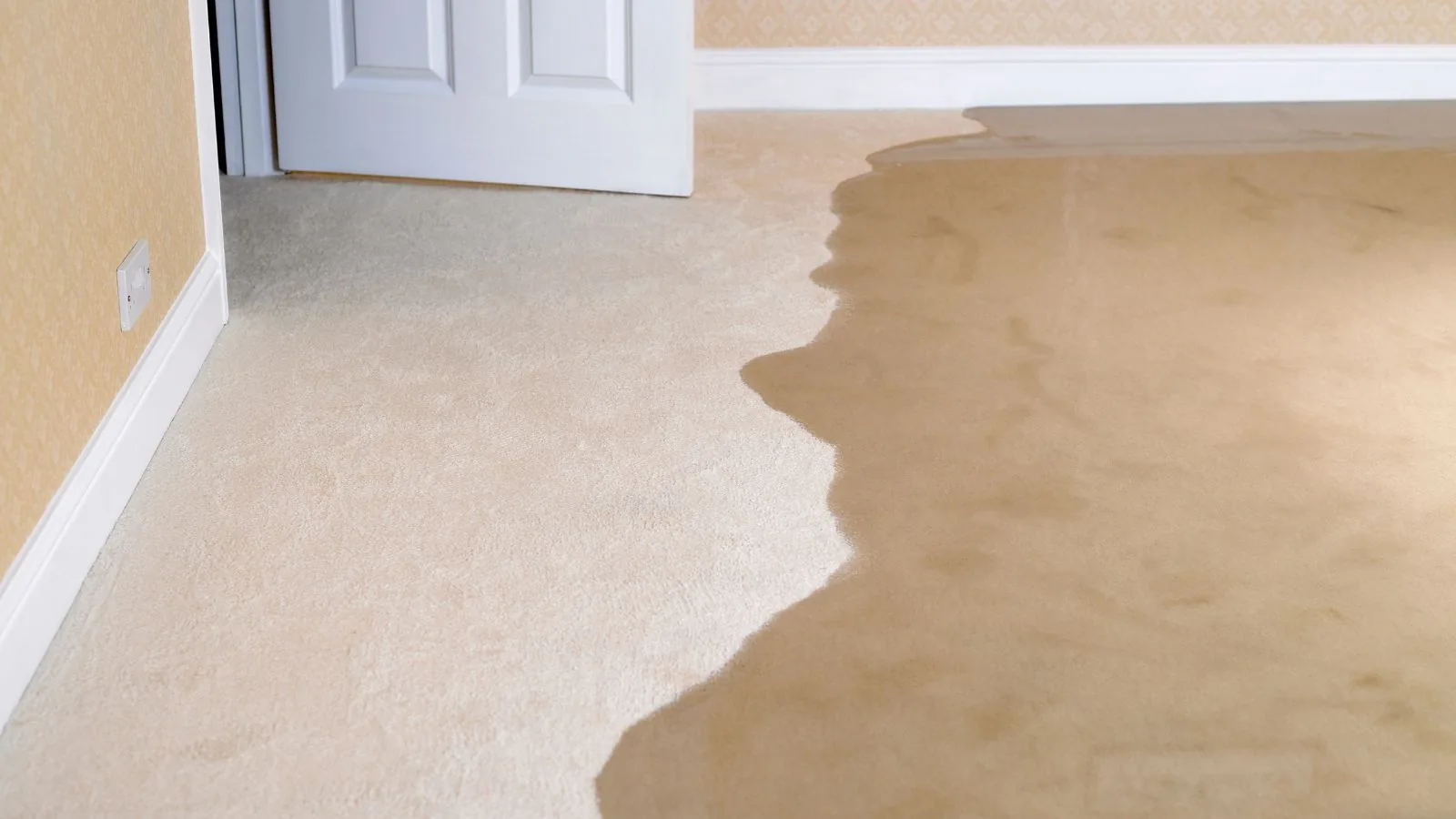
After a leak or flood, people ask how long they have before mold appears. The usual guidance from public health agencies is that wet materials should be dried quickly, often within a day or two. No one can give an exact number, because it depends on the material, the temperature, the humidity and whether the water was clean. What is certain is that every hour of delay raises the risk.
The common rule: act within 24 to 48 hours
The EPA tells people to fix water problems as soon as possible and to dry items completely. Restoration guidance commonly points to the first day or two as the window in which drying prevents most mold problems. After that, growth becomes more likely on porous materials like drywall, carpet pad and ceiling tile.
Think of it as a window, not a deadline. Mold does not appear at hour 49. Some materials stay wet longer without trouble, and some develop growth sooner. Warm, humid rooms are riskier than cool, dry ones.
What mold needs
- Moisture. Wet materials or high humidity.
- A food source. Paper on drywall, wood, dust and fabric all work.
- Time. More hours of wetness means more chance.
- Moderate temperature. Typical indoor temperatures are fine for most molds.
You cannot remove the food source or control the temperature in a house. Moisture is the only variable you can change, which is why drying is the answer.
Signs mold may be starting
- A musty or earthy smell that does not go away.
- Staining or spots on walls, ceilings or floors.
- Peeling paint or bubbling wallpaper.
- Warped baseboards or cupped flooring.
- Condensation on windows or cold pipes.
We make no health claims about mold. If you have health concerns, talk to a doctor.
A day-by-day look at the first week
On the day of the loss, extraction and drying decide most of the outcome. If standing water is gone and equipment is running by evening, the odds look good. On the second day, wet porous materials that cannot be dried should be removed, since they hold moisture longest.
By the third and fourth days, moisture readings should be dropping steadily. If a wall cavity still reads wet, it needs attention before it is closed up. By the end of the first week, a well-run dry-out is usually reaching its targets, though thick materials can take longer.
If you notice a smell or a new stain at any point, say so. Hidden pockets are common, and finding one early is far easier than finding it in a month.
The IICRC S500 water damage standard and the S520 mold standard both rest on the same idea, which is that fast drying is the best prevention.
Water on the floor right now? Start extraction today.
Call (516) 845-9582How to lower the risk in the first day
Stop the source.
Close the valve or fix the leak.
Remove water.
Extract standing water and soaked materials.
Dry.
Use dehumidifiers and air movers, not just open windows.
Check.
Verify that readings are down, including inside walls.
Open windows help only when the outdoor air is drier than indoors, which is rare during humid Long Island summers. A dehumidifier works better. For anything that soaked into walls or floors, professional drying with moisture readings is more reliable. The structural drying page explains the process.
What dries and what must go
Hard materials like tile and sealed concrete often dry well. Porous materials like insulation, carpet pad and drywall that stayed wet are often removed. Hardwood may be saved if drying starts early, as the hardwood floor page describes. Carpet depends on the water type, described on the carpet page.
If the water came from a sewer, assume porous materials need to go regardless of timing. See sewage backup cleanup.
What if it has been more than two days?
Do not panic and do not ignore it. Dry what you can right away and look for signs listed above. If you see growth over a large area, the mold remediation process applies, and New York rules may require a licensed assessor and remediator for projects over ten square feet. The mold remediation page explains the steps.
Neighbors in Williston Park and Albertson who call within a day or two usually have the simplest jobs.
A local note on Long Island humidity
Nassau County summers are humid, and basements in the area can stay damp for days after heavy rain. The National Weather Service office in Upton, New York issues flash flood warnings for Nassau County, and a warning is a good reminder to check your basement and sump pump.
Mineola is the Nassau County seat and was incorporated in 1906, so many homes have older basements. Older foundations can seep after storms, which is a common starting point for the moisture that mold needs.
Questions about this topic in Mineola
Can mold grow in 24 hours?
It can begin to start on wet porous materials within a day or two, which is why fast drying matters. The exact timing varies.
Will opening windows dry the house?
Only if the outdoor air is drier than the indoor air. A dehumidifier is more reliable in humid weather.
Is every musty smell mold?
Not always, but a lasting musty smell is a reason to look for hidden moisture.
Does clean water water-damage still cause mold?
Yes. Clean water can lead to mold if materials stay wet. Contaminated water adds other risks.
What does Nassau County weather change about the timeline?
Humid summer weather slows drying and raises the risk, so use dehumidifiers and start the same day.