
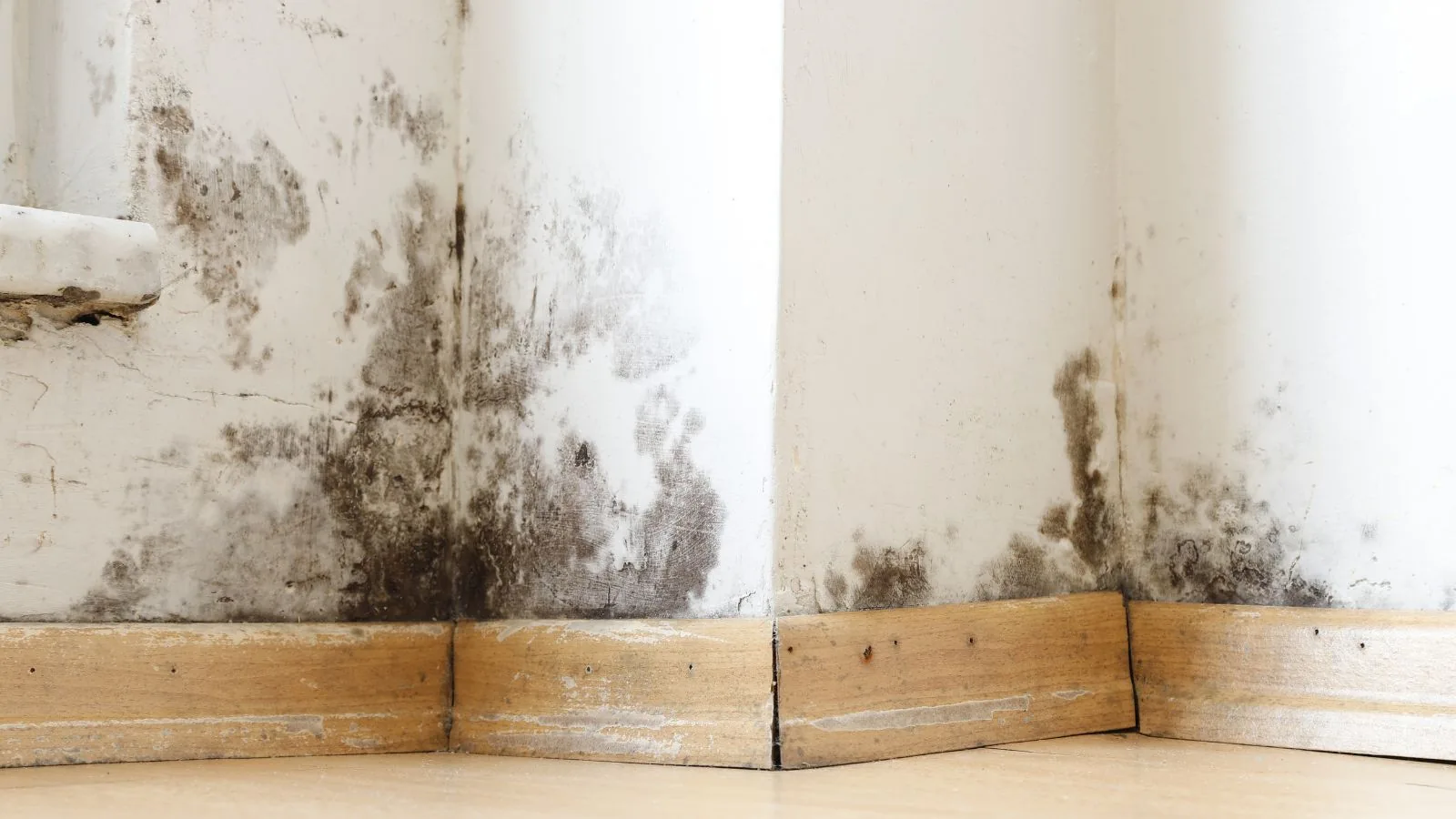
When a home with a mold history goes on the market, or when a lender reviews a property, someone usually asks one question. Was it cleared? A clearance is the post-work check that shows the remediation met its goals. This guide explains what it is, who performs it in New York and what to keep on file.
What clearance testing is
Clearance testing is an inspection and, where the plan calls for it, sampling after mold remediation. The goal is to confirm that the work area is visibly clean and that conditions meet the criteria set in the original remediation plan. It is not a general home inspection and it is not a promise that mold will never return.
Who can do it in New York
New York's Mold Program Act, Labor Law Article 32, requires licensed professionals for mold projects. The Department of Labor says a mold project involves an area greater than ten square feet and that assessors and remediators must be licensed. It also says no licensee may perform both assessment and remediation on the same project.
That means the company that removed the mold cannot be the one to clear it. A separate licensed assessor writes the plan before the work and checks the result afterward. The state's rule exists so that the person judging the work has no stake in it.
The usual sequence
Assessment.
A licensed assessor inspects and writes a remediation plan.
Remediation.
A licensed remediator carries out the plan.
Clearance.
The assessor checks the area and may sample the air or surfaces.
Paperwork.
A certificate or report is issued for your records.
Some small jobs fall below the threshold and do not need this process. A residential owner working on their own property is exempt from licensing. But a buyer or lender may still ask for documentation, so a written record helps even on a smaller job.
Keeping a clean paper trail
Start a folder, paper or digital, as soon as the problem is found. Add photographs of the damage, the source repair invoice, drying logs, the assessment report, the remediation invoice and the clearance report. Date everything.
If the work was smaller than the state threshold, still save the invoice and a description of what was done. A short paragraph written at the time is more convincing than a memory later.
When you list the home, tell your agent what you have. They can advise how to present it. A complete folder tends to answer buyer questions before they become objections.
The IICRC S520 standard is the published reference for mold remediation, and it supports the idea of a post-work check before a space is declared complete.
What to do before clearance: keep the work area closed, do not move materials in or out and ask the assessor what access they need.
Planning a sale after water or mold trouble? Call and ask where to start.
Call (516) 845-9582What buyers and lenders tend to ask for
- The original assessment or inspection report.
- The remediation scope and the invoice.
- The clearance report or certificate.
- Records of the water source repair.
- Drying logs and moisture readings, if available.
Requirements differ among lenders and buyers, so ask yours what they need. A real estate attorney or your agent can tell you what the contract requires.
Why the water repair matters as much as the mold
A clean report is worth less if the leak that caused the mold is still active. Keep proof that the source was fixed, such as a plumber's invoice. Moisture readings from the drying phase, described on the structural drying page, show that the structure was dried.
What clearance cannot do
A clearance is a snapshot. It says the area met the criteria on the day it was checked. It does not guarantee future conditions. If moisture returns, so can mold. Good records and good moisture control are the long-term answer.
Disclosure rules for sellers are a separate legal matter. We are not lawyers, so ask a real estate attorney about what you must tell a buyer.
Owners in Williston Park and New Hyde Park preparing to sell often start with the water side of the story. See basement water damage cleanup for the common starting point.
A local note on the Mineola market
Mineola, the Nassau County seat, was incorporated in 1906, and its housing stock includes many older homes where basements and attics hold past water history. Buyers there often ask about both.
For repairs that follow remediation, the Village of Mineola Building Department says permits are required for plumbing, electrical and construction work. Closing permits properly before listing avoids delays at sale.
Questions about this topic in Mineola
Can the mold remover also clear the job?
Not on the same project in New York. Labor Law Article 32 prohibits a licensee from performing both assessment and remediation.
Is clearance required by law?
For mold projects covered by the state program, the process includes assessment and a post-remediation check. Ask a licensed assessor about your case.
Does clearance guarantee no mold?
No. It confirms conditions on the day of the check. Moisture control prevents recurrence.
What if my job was under ten square feet?
The state program may not apply, but a buyer or lender can still ask for documentation. Keep your records.
Do I need Mineola permits before selling?
If repairs involved plumbing, electrical or construction, the Village Building Department requires permits. Ask it about open items.