
Most big water losses in vacant homes share one trait. Nobody was there when the water started. A pipe splits, a hose fails or a toilet supply line lets go, and water runs until someone comes home. The steps below cut the odds and shorten the response if something goes wrong.
Before you leave: the shut-off checklist
- Locate your main water shut-off and make sure it turns. Old valves can seize.
- For trips of more than a few days, consider closing the main valve.
- If you close the main, open a faucet briefly to relieve pressure.
- Turn off the water supply to the washing machine and dishwasher.
- Lower the water heater setting or follow the manufacturer's vacation setting if you have one.
If you have a fire sprinkler system or a sump pump, check with the manufacturer before turning off power or water.
Winter: keep the heat on
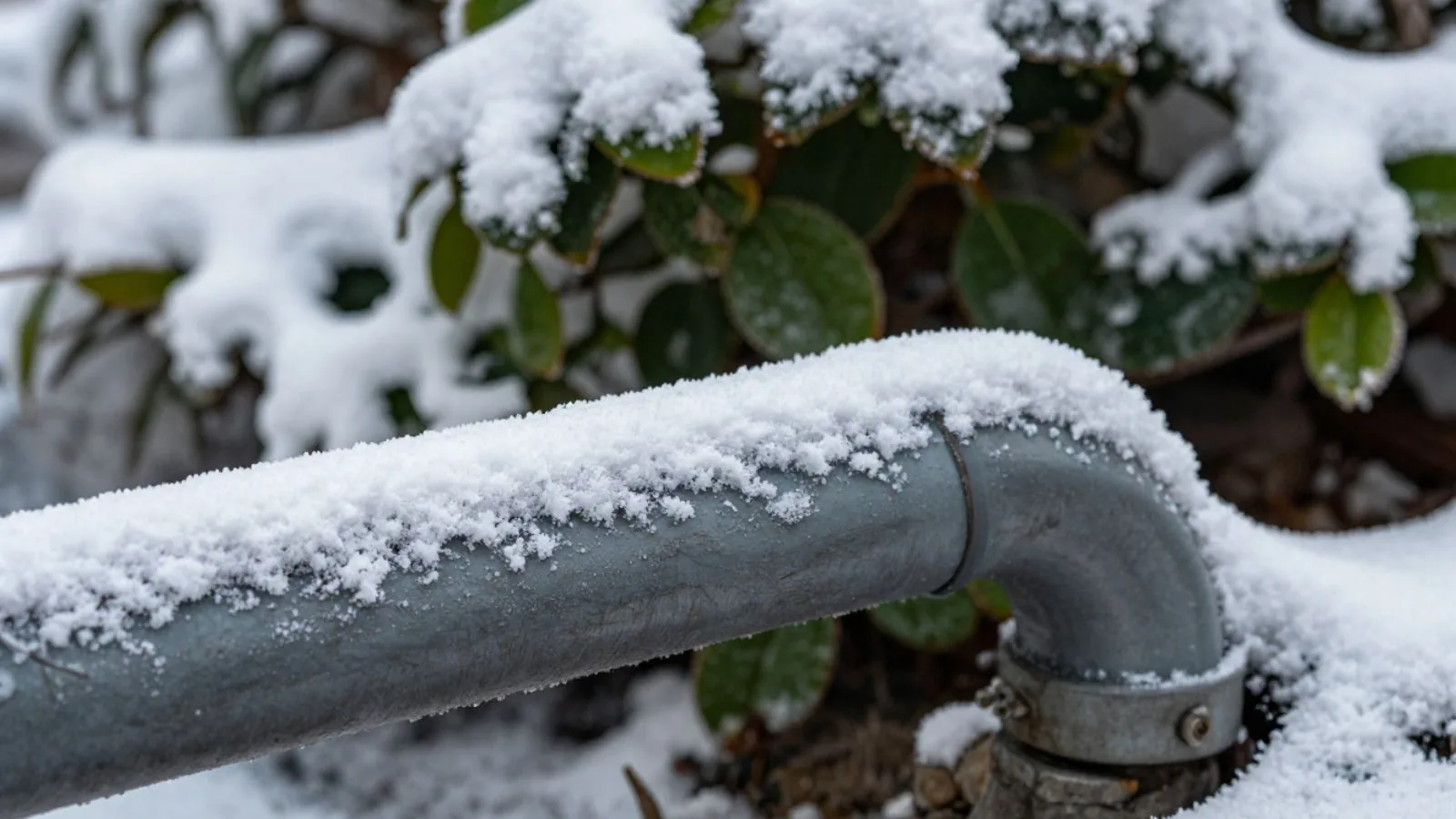
If you leave in cold months, do not turn the heat off. Set it to a temperature that keeps pipes safe, often around 55 degrees Fahrenheit or higher, or follow guidance from your plumber or insurer. Open cabinet doors on exterior walls so warm air reaches pipes. Disconnect and drain outdoor hoses. The frozen pipe water damage page explains why a thaw often triggers the leak.
Many insurers expect heat to be maintained in vacant periods. Ask yours what it requires.
Summer: watch the air conditioner and the storms
Condensate lines clog and overflow, wetting ceilings. Have the system serviced before a long absence. Clear gutters and downspouts so heavy rain does not drive water into the basement. Check window wells and the sump pump. See AC leak water damage for how those leaks happen.
A one page pre-trip routine
Print a page and tape it inside a cabinet. Put the shut-off location, the plumber's number, your insurer's number, the 24/7 restoration line and the name of the person checking the house. Add the water heater model and the age of the roof if you know them.
The night before you leave, run each faucet briefly to look for drips, check under the sinks and walk the basement. Take a photo of the water meter. When you return, compare it with a new photo. If the number has moved with the main closed, something leaked.
A routine like this takes less than half an hour and gives anyone who helps you a clear starting point.
If a leak does happen while you are away, the IICRC S500 standard is what a crew follows to dry the structure once the water is stopped.
Want a plan for a long absence? Call and ask what to watch for.
Call (516) 845-9582Install sensors and make a plan
- Place battery water sensors near the water heater, washing machine, sinks and sump pit.
- Consider a smart shut-off valve that closes the main automatically.
- Ask a neighbor or friend to check on the house and give them the shut-off location.
- Leave your insurer and restoration numbers where the checker can find them.
- Save the 24/7 number, (516) 845-9582, in your phone.
If you get an alert while you are away
Do not drive into a flood or a dangerous area. Call your neighbor or checker first and have them shut off the main if it is safe. Then call a restoration company. A same-day response matters, since water spreads and soaks while the house is empty. The water extraction page explains what a crew does first.
Call your insurer and photograph everything when you can. Keep receipts.
When you come home
Walk through before you unpack. Check the ceilings, the water heater, the basement and under sinks. Smell for musty odors. Run each faucet and flush each toilet to look for drips. Check your water meter for movement with everything off.
Homes in Carle Place and Williston Park are close together, so a leak in your house can reach a neighbor's. A checker who can shut off the water protects both.
A local note on freezes and storms
Nassau County sees freezing winters and heavy summer thunderstorms. The National Weather Service office in Upton, New York issues the freeze and flash flood alerts for the county, and you can sign up for them before you travel.
Mineola's village government, incorporated in 1906, runs its own departments. Ask the Village Building Department about permits if you add a sump pump, a shut-off valve or new plumbing before you travel.
Questions about this topic in Mineola
Should I shut off the main water when I travel?
For longer trips many people do. Check that the valve works first and ask your insurer or plumber about your home.
What temperature should I set the heat to in winter?
Plumbers often suggest around 55 degrees Fahrenheit or higher. Ask your plumber or insurer for guidance.
Do smart shut-off valves work?
They can close the main automatically when a sensor detects water. Have a licensed plumber install one.
Who should I give the shut-off location to?
A trusted neighbor or friend who checks the house, along with the numbers to call.
Do I need a permit for a shut-off valve in Mineola?
Plumbing work requires a permit from the Village Building Department, so ask before installation.